



What Specialty Coffee Beans Actually Mean

A bag labeled specialty coffee beans should promise more than a premium-looking label. It should signal that the coffee was grown with care, selected for quality, roasted with precision, and handled in a way that gives its best flavors a real chance to reach your cup. That difference is obvious when coffee tastes sweet, clear, aromatic, and alive - rather than flat, ashy, or simply bitter.
For a daily coffee drinker, specialty is not about memorizing tasting notes or owning a countertop full of equipment. It is about getting a noticeably better cup from beans that were treated as an agricultural product worth protecting, not a commodity to rush through a system. The details matter because coffee has a long journey from a farm to your kitchen, and every decision along that path can preserve flavor or erase it.
What Makes Coffee Specialty?
Specialty coffee starts with green coffee quality. In the most widely used grading framework, coffee needs to score 80 points or higher on a 100-point scale to qualify as specialty-grade. Professional tasters, often called Q graders, evaluate fragrance, flavor, acidity, body, balance, sweetness, uniformity, and the presence of defects.
That score is useful, but it is not the whole story. A high-scoring coffee can still disappoint if it is roasted poorly, sits too long after roasting, or is brewed without enough attention to grind and water. Specialty is best understood as a chain of quality control. The farm, processing method, importer, roaster, packaging, and home brewer all have a role.
At its best, specialty coffee has a sense of place. A washed coffee from Colombia may offer caramel sweetness and citrus structure. A natural-process Ethiopian coffee may lean toward berries, florals, and jam. A well-built blend can bring chocolate, fruit, and body into balance. None of those profiles is automatically better than another. The right choice depends on whether you want a bright pour-over, a syrupy espresso, or a comforting morning mug with milk.
Fewer Defects, More Clarity
Coffee cherries do not all ripen at the same rate, and processing coffee requires skill at every stage. Specialty lots are carefully sorted to reduce defective beans, including beans damaged by insects, mold, fermentation problems, or poor drying. Defects can create harsh woody flavors, mustiness, rubber-like notes, or a dull finish.
A clean cup does not mean a boring cup. It means the coffee's intended character comes through without distracting flaws. Sweetness becomes easier to notice. Acidity feels juicy instead of sour. Dark chocolate tastes rich rather than burnt.
Freshness Is a Flavor Variable
Coffee is at its peak after roasting, not months before it reaches a shelf. Whole beans gradually lose aromatic compounds once roasted, and ground coffee loses them much faster. This is why freshly roasted whole beans can make such a dramatic difference, even before you change a single brewing variable.
Fresh coffee also needs a little time to rest. During the first several days after roasting, beans release carbon dioxide. Espresso often benefits from a longer rest than drip coffee because excess gas can interfere with extraction. There is no universal day count - roast level, coffee density, brewing method, and personal preference all affect the sweet spot - but coffee should be managed for freshness, not treated as indefinitely stable.
Why Roasting Determines So Much
The roaster's job is not to cover up a coffee's origin with roast flavor. It is to develop the bean enough to make it soluble, sweet, and satisfying while preserving the character that made the green coffee worth buying in the first place.
Light roasts generally retain more fruit, floral notes, and origin distinction. They can be exceptional in filter brewing, but they demand a capable grinder and thoughtful extraction. If the water is too cool or the grind is too coarse, a light roast may taste thin, sharp, or underdeveloped.
Medium roasts often offer the broadest path to balance. They can carry sweetness, fruit, and cocoa notes with enough development for dependable drip coffee, French press, or espresso. For many households, a balanced medium roast is the most flexible everyday choice.
Dark roasts deliver deeper caramelization, heavier body, and familiar notes of dark chocolate, toasted nuts, and spice. A great dark roast should still taste deliberate. Dark does not have to mean smoky, oily, or charred. When roasting is controlled, it can be bold without sacrificing all sweetness and structure.
Precision matters at every roast level. Small changes in time, temperature, airflow, and development can shift a coffee from lively to grassy, from sweet to dry, or from full-bodied to flat. That is why rigorous batch inspection matters. If it is not perfect, it should not ship.
How to Choose Specialty Coffee Beans for Your Cup
Start with the way you actually drink coffee, not the profile you think you are supposed to prefer. If your coffee usually includes milk, look for enough body and chocolate-driven sweetness to stay present. If you drink it black and enjoy bright fruit, choose a lighter roast or a fruit-forward natural coffee. If the household uses one bag for everything, a medium blend is often the smartest place to begin.
Consider these practical matches when narrowing the field:
- Espresso machine: Choose a coffee built for sweetness, body, and a stable extraction. Medium to medium-dark profiles are often forgiving, though brighter modern espresso can be excellent with careful dialing in.
- Drip brewer: Medium roasts are reliable, while light roasts bring more sparkle and dark roasts create a heavier, more traditional cup.
- Pour-over: Look for coffees with distinct fruit, floral, tea-like, or citrus notes. Fresh grinding and accurate pouring make a visible difference here.
- French press or cold brew: Coffees with chocolate, nut, caramel, and deeper fruit notes often shine because immersion methods emphasize body and texture.
Organic certification answers a different question from specialty grading. Specialty speaks to cup quality; organic certification speaks to how the coffee was grown and verified. Both can matter to the same shopper, and together they offer a stronger standard: exceptional flavor with sourcing practices you can feel good about.
Get More From the Beans You Buy
The fastest upgrade is simple: buy whole bean coffee and grind only what you need before brewing. A burr grinder is more consistent than a blade grinder, which means more even extraction and fewer cups that taste both sour and bitter at once.
Use filtered water if your tap water tastes strongly chlorinated or mineral-heavy. Coffee is mostly water, so off flavors in the water have nowhere to hide. For most brewing methods, water just off the boil is a solid starting point. Then adjust one variable at a time: finer for more extraction, coarser for less; more coffee for strength, less coffee for a lighter cup.
Store beans in an airtight container away from heat, light, and moisture. The original sealed bag with its one-way valve is often ideal. Avoid the refrigerator, where coffee can absorb odors and encounter condensation. Freezing can work for longer-term storage if beans are tightly sealed in smaller portions, but it is unnecessary for a bag you will finish within a few weeks.
A subscription can make freshness easier to manage, especially if your household has a predictable rhythm. The key is choosing a delivery cadence that matches consumption. Two pounds can be excellent value for a busy household, but it is less useful if it takes four months to finish. Start with a size you can enjoy while the coffee is still vibrant.
Specialty Coffee Should Feel Approachable
There is room for curiosity in every coffee routine. Try a bright light roast one week and a classic dark blend the next. Compare the same coffee as drip and espresso. Notice whether you prefer berry-like sweetness, clean citrus, roasted almond, or deep cocoa. Your palate is not a test you pass. It is a record of what makes your morning better.
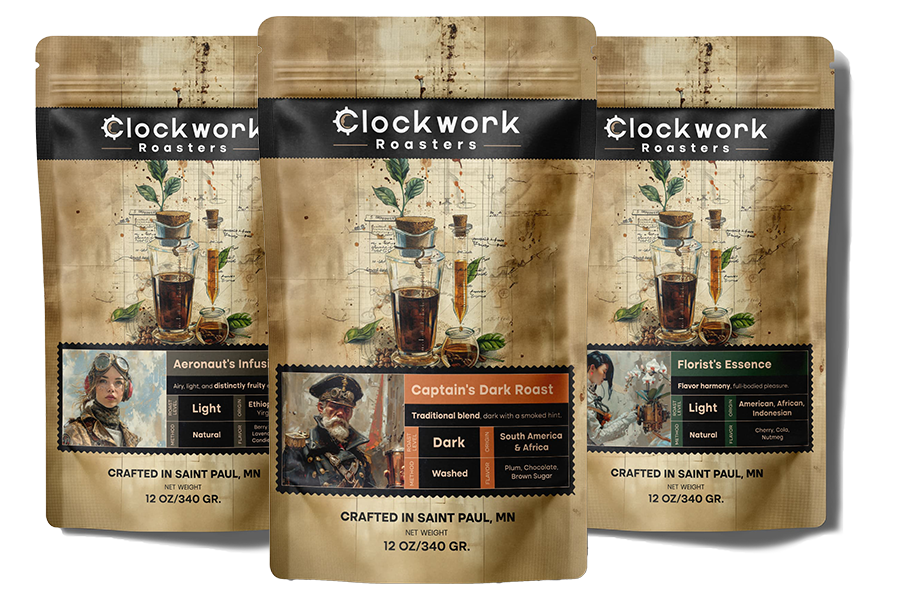
Clockwork Roasters approaches that choice with the discipline of coffee science and the character of old-world craft: certified organic specialty-grade beans, carefully managed roasting, and a satisfaction promise designed to remove the risk of trying something new. A dependable favorite is valuable, but the next remarkable cup may be one bag away.
Leave a comment