



Two Pound Coffee Bags: Freshness Meets Value

A great morning coffee can become an expensive habit when you buy small bags every week. Two pound coffee bags change the equation: more of the coffee you already love, fewer reorder decisions, and a lower cost per cup. The only catch is freshness. Buy the right roast, use a sensible storage routine, and a larger bag can deliver exceptional coffee from the first brew through the last.
Why choose two pound coffee bags?
A two-pound bag holds 32 ounces of coffee, or roughly 900 grams. For a household that brews daily, that is not an excessive amount. It is a practical format built for consistency.
Using a standard 1:16 coffee-to-water ratio, a 12-ounce brewed cup takes about 21 grams of coffee. A two-pound bag can produce around 42 cups at that strength. If two people each drink one cup a day, the bag may last about three weeks. If you make espresso, entertain on weekends, or brew a full pot each morning, it will move even faster.
That consumption rate matters because coffee is not designed to sit forgotten in a cabinet for months. Whole beans retain their character far better than pre-ground coffee, but they still evolve after roasting. Aromatic compounds gradually dissipate, and oxygen eventually dulls the details that make a cup taste lively, sweet, and complete. The right bag size is the one you can finish while the coffee is still performing at a high level.
For many regular drinkers, two pounds hits the sweet spot. It reduces packaging and shipping frequency while offering real value compared with buying the same coffee in several smaller bags. It also keeps a dependable house coffee on hand, which is useful when the morning schedule has no room for an empty hopper.
Freshness depends on your routine, not just the roast date
A roast date is meaningful, but it is not a magic expiration switch. Freshly roasted coffee needs time to release carbon dioxide after roasting, especially for espresso. Many coffees begin to show their best balance several days after roast, then remain enjoyable for weeks when stored well.
Your daily volume is the deciding factor. A two-pound bag is a strong choice if you will finish it in two to four weeks. It may still make sense over a longer window, particularly for darker roasts or coffee used with milk, but the brightest aromatics and most delicate fruit notes may become less pronounced as time passes.
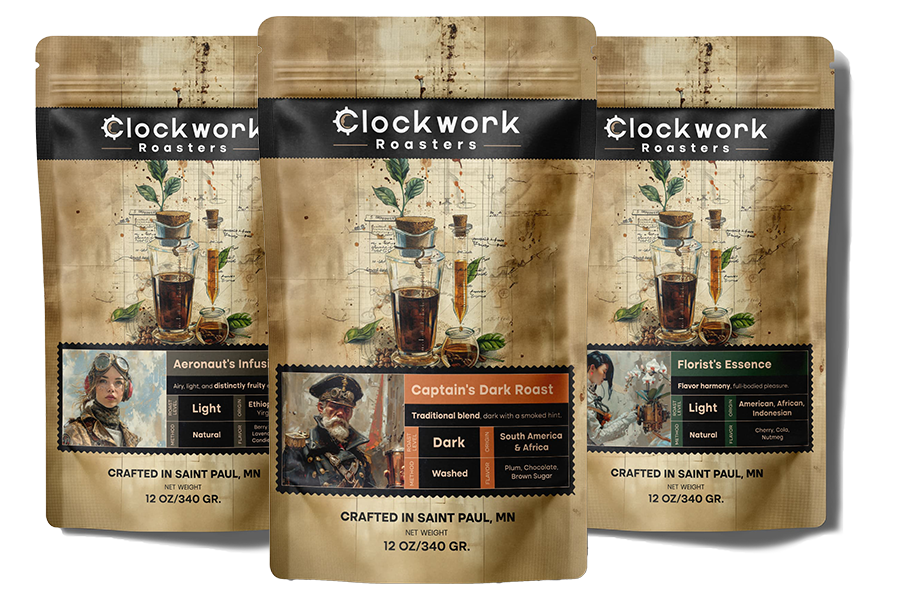
Light, fruit-forward natural coffees tend to reward careful handling. Their berry-like sweetness, floral notes, and sparkling acidity are often the first details to fade when beans are exposed to air. A classic medium blend is usually more forgiving, offering steady sweetness and balance through a longer brewing window. Traditional dark roasts bring a different calculation: their deeper cocoa, toasted sugar, and roast-forward profile can remain satisfying later in the bag, although stale coffee is still stale coffee.
There is no universal rule that a larger bag is better. If you drink one or two cups a week, smaller bags let you explore more profiles and keep each purchase moving quickly. If your household runs on coffee, a two-pound format is simply the more efficient instrument.
How to keep a large bag tasting sharp
The best storage setup is surprisingly simple. Keep whole beans in an airtight, opaque container at room temperature, away from sunlight, heat, and strong odors. A kitchen counter beside a sunny window or a cabinet directly above the oven is working against your coffee.
The original bag can be enough when it has a quality resealable closure and you press excess air out before sealing it. For a more controlled routine, divide the bag into smaller portions as soon as it arrives. Keep one portion in your everyday container and leave the rest sealed until needed. This limits repeated exposure to oxygen every time you make coffee.
Do not refrigerate coffee. Refrigerators introduce humidity and odors, two things roasted beans absorb readily. Freezing can work for coffee you truly will not use for several weeks, but it requires discipline. Portion the beans before freezing, seal them tightly, and remove only what you intend to use. Repeatedly opening a large frozen container invites condensation.
A few habits make the biggest difference:
- Buy whole bean coffee whenever your grinder is available.
- Grind immediately before brewing, not the night before.
- Use a scale so your recipe stays consistent as the coffee changes slightly over time.
- Keep only a few days of beans in the hopper, especially if it sits in bright or warm conditions.
Choosing the right coffee for a two-pound bag
Commitment is easier when the coffee matches your everyday brew method. Start with the cup you make most often, not the brewing method you hope to start using someday.
For espresso, look for a coffee built around body, sweetness, and reliable extraction. A balanced espresso roast should hold up as a straight shot while still cutting through milk in a cappuccino or latte. Two pounds are especially practical for espresso drinkers because dialing in a grinder uses coffee. A larger format gives you room to make precise adjustments without worrying that half the bag will disappear before you find the best recipe.
For drip brewers, batch brewers, and pour-over, a signature medium roast is often the safest all-day choice. Expect a composed cup with enough structure for breakfast, enough sweetness for a second mug, and enough clarity to drink black. It is the profile many households can agree on.
If you prefer a more adventurous cup, choose a light natural coffee with ripe fruit character and a clean, expressive finish. It can be remarkable in a pour-over or a carefully brewed drip machine. Just be honest about how quickly you will drink it. A two-pound bag makes the most sense when those fruit-driven cups are part of your regular rhythm, not an occasional weekend project.
Dark roast drinkers should not assume they need to sacrifice quality for familiarity. A well-developed dark coffee can offer depth without tasting ashy or flat. Look for cocoa, roasted nut, caramelized sweetness, and a full finish. This is a dependable choice for French press, auto-drip, and milk-based drinks.
Fine-ground Turkish coffee is the exception. Because it is prepared exclusively in an ultra-fine grind, it loses aromatic intensity faster than whole bean coffee. Smaller quantities are usually wiser unless your household brews Turkish coffee frequently enough to finish a two-pound supply promptly.
Make the value visible in every cup
The value of larger coffee bags is not only the sticker price. It is fewer emergency grocery runs, less packaging, and a stable baseline for your brewing. When you use the same coffee long enough to understand it, your results improve. You learn the grind setting that produces more sweetness, the dose that gives your preferred strength, and the water temperature that keeps the finish clean.
That consistency is where specialty coffee becomes less mysterious. You are not chasing a perfect cup through endless variables. You are repeating a good process with freshly managed beans and making small, informed adjustments.
Clockwork Roasters approaches that process with certified organic specialty coffee, rigorous batch inspection, and roast profiles designed for flavor, aroma, and extraction. If a coffee is not the right fit, a customer-first replacement and refund path makes trying a new profile far less risky.
A better bulk-buying rhythm
A two-pound bag works best when it is part of a simple cadence. Reorder before the final few brews, rather than after the cabinet is empty. If you subscribe, set the delivery interval around your actual usage and adjust it after the first cycle. Coffee routines change with travel, guests, seasons, and work schedules, so the best subscription is one you can easily tune.
Keep one dependable favorite in the larger format, then use smaller bags or a starter pack for exploration. That approach gives you the confidence of a daily driver without turning coffee into a compromise. Your morning cup can be familiar, precise, and still worth looking forward to.

Leave a comment