




Dark Roast Coffee Tasting Notes Explained

A dark roast should not taste like ash just because it looks nearly black. The best dark roast coffee tasting notes carry real depth: bittersweet chocolate, toasted nuts, brown sugar, warm spice, and a finish that stays pleasantly dry rather than charred. That difference is not luck. It is the result of capable roasting, quality green coffee, and a brew method that does not flatten the cup.
For drinkers who want a dependable, full-bodied daily coffee, dark roast can be a precision choice. It delivers familiar comfort with enough complexity to reward a slower sip. Knowing what to look for makes it easier to find a dark roast that performs in your favorite brewer, whether that is a drip machine, French press, espresso setup, or a simple pour-over.
What Dark Roast Coffee Tasting Notes Actually Mean
Tasting notes are not ingredients added to the coffee. A bag described as having cocoa, caramel, or cedar notes does not contain chocolate syrup, candy, or wood. Those words are useful comparisons for aromas and flavors created by the bean itself, its origin, processing, roasting, and brewing.
With dark coffee, the roast contributes more strongly to the final profile than it does in a light roast. As beans spend more time in the roaster, heat transforms sugars and develops deeper savory and bittersweet compounds. Bright fruit notes often become quieter, while flavors associated with chocolate, toasted grain, molasses, roasted nuts, and baking spices move forward.
That does not mean every dark roast tastes the same. A dark-roasted coffee from Central America may lean toward cocoa and almond. Another lot with a naturally sweet foundation may show dark caramel and dried fruit beneath the roast. A coffee selected for espresso can bring a dense, syrupy body and a structured finish that stands up beautifully to milk.
The Core Flavors to Expect in a Great Dark Roast
The clearest dark roast coffee tasting notes often fall into a few connected families. Think less about finding one exact flavor and more about noticing the overall architecture of the cup.
Chocolate is a frequent starting point. It may resemble cocoa powder, dark chocolate, baking chocolate, or a soft milk-chocolate sweetness depending on the coffee and roast development. Chocolate character gives dark coffee its familiar, grounding quality without automatically making it sweet.
Nut notes are also common, especially walnut, almond, peanut brittle, and hazelnut. These flavors can make a cup feel round and substantial. In balanced dark roasts, nutty tones are usually paired with sweetness rather than bitterness alone.
Caramelized sugar notes bring dimension. Look for brown sugar, toffee, molasses, or caramel. These impressions are especially welcome in coffee brewed for a longer, smoother cup. They can also create the satisfying bridge between a dark coffee's bold body and its lingering finish.
Spice and roast-derived notes add edge. You may perceive cinnamon, clove, cedar, tobacco, or a gentle smokiness. Used with restraint, these notes make a coffee feel deliberate and classic. When smoke dominates every sip, however, it can signal that roast character has overwhelmed the bean.
Dark Does Not Have to Mean Bitter
Bitterness belongs in coffee, particularly in a dark roast. It provides structure much like the pleasant bitterness of dark chocolate. The issue is not whether bitterness exists. The issue is whether it is balanced by sweetness, body, and a clean finish.
A well-executed dark roast can be bold without becoming harsh. It should have enough developed flavor to feel full and confident, but it should not leave your mouth tasting burnt for ten minutes. Acrid, rubbery, sharply smoky, or carbon-like flavors are not proof that a coffee is strong. They are often signs of overdevelopment, stale coffee, overheated brewing, or extraction gone too far.
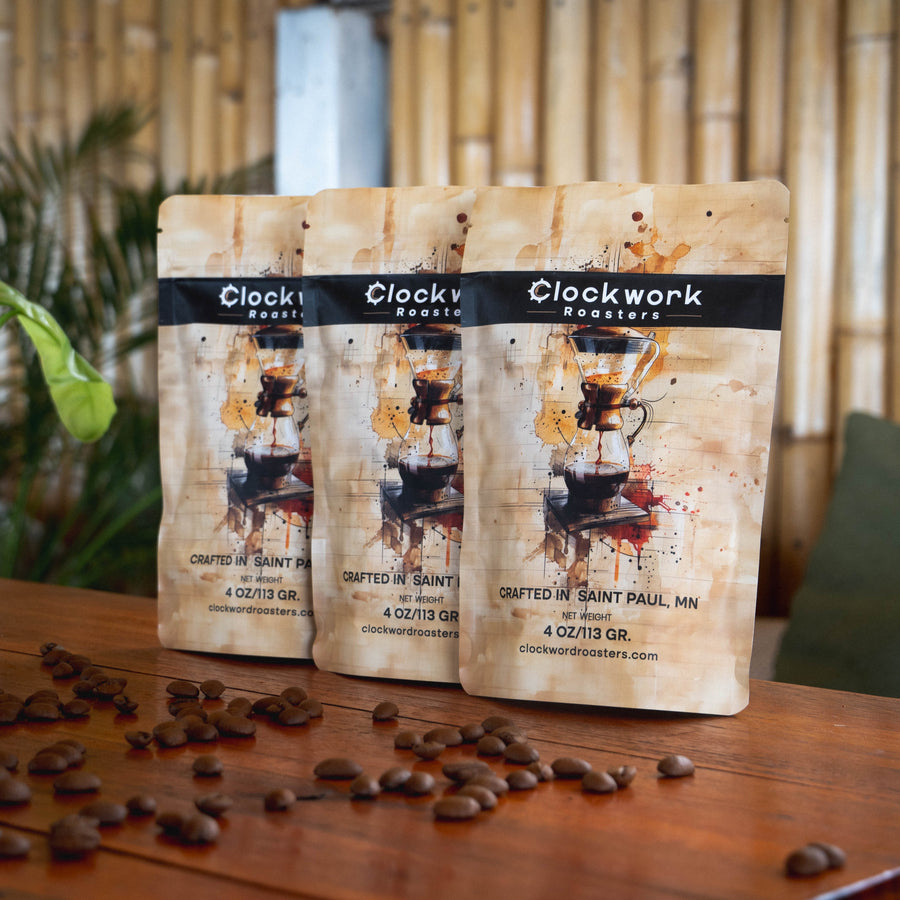
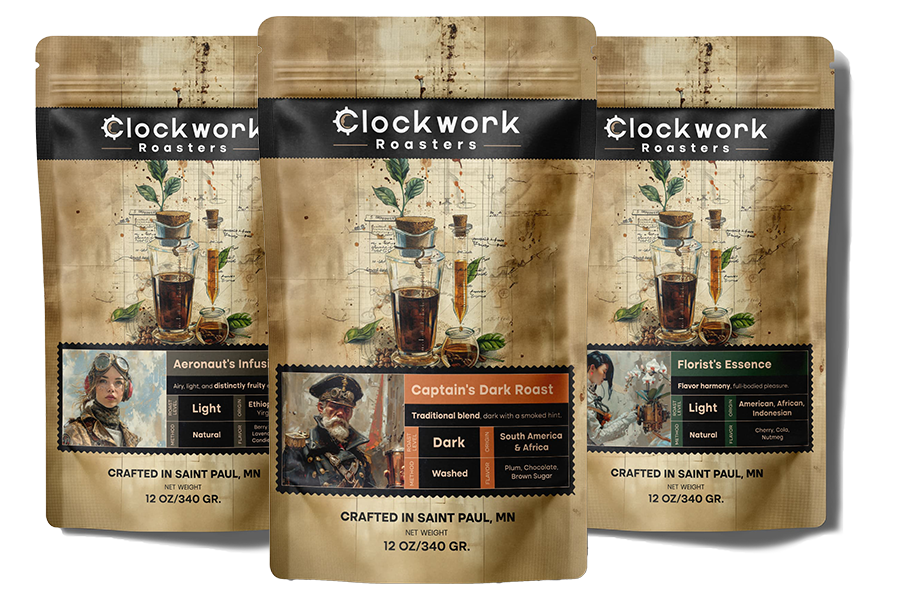
This is where specialty-grade sourcing matters. Starting with carefully selected beans gives a roaster more flavor worth preserving. At Clockwork Roasters, every batch is inspected with that standard in mind: if it is not perfect, it does not ship. The goal is not to erase the character of coffee with roast. It is to engineer a darker profile that still tastes intentional.
How Origin Still Shapes a Dark Cup
Roast level matters, but origin is not erased at dark levels. It simply speaks in a lower register.
Coffee from Brazil commonly lends itself to chocolate, peanut, and low-acid profiles, making it a natural foundation for traditional dark blends. Central American coffees can retain cocoa, citrus-peel sweetness, and a cleaner structure. Colombian coffees may contribute caramel, red-fruit undertones, and a polished finish. Indonesian coffees are often valued for earthy, herbal, woody, and syrupy characteristics that can become especially compelling in darker roasting.
Blends are often an excellent dark-roast choice because they allow a roaster to build for balance. One coffee can provide body, another sweetness, and another an aromatic top note. Single-origin dark roasts can be memorable too, but they tend to put more pressure on the bean selection and roast execution. Neither format is automatically better. Choose a blend when you want repeatable balance, or a single origin when you want to explore a particular coffee's personality.
Read the Cup in Three Stages
Taste your coffee once while it is hot, again when it is warm, and once more near room temperature. The profile will change. Hot coffee emphasizes aroma and roast presence. As it cools, sweetness and origin character become easier to identify. A dark roast that tastes merely intense at first may reveal brown sugar, walnut, or dried cherry after a few minutes.
Start with aroma before you drink. Does it smell like cocoa, toasted bread, spice, or smoke? Then take a sip and let it coat your palate. Notice the body: is it silky, creamy, heavy, or thin? Finally, pay attention to the finish. A quality dark roast should leave an appealing echo of chocolate, caramel, or spice, not a scorched aftertaste.
You do not need a professional tasting vocabulary to make a useful judgment. “Chocolatey, full, and not too bitter” is a complete and valuable preference. Over time, those simple observations will lead you to the right roast and brewing recipe faster than chasing technical terms ever will.
Brew Choices That Change the Tasting Notes
A dark roast is more soluble than a light roast, so it extracts readily. That is good news for home brewers, but it also means it can turn bitter if water is too hot, the grind is too fine, or contact time runs too long.
For drip coffee, begin with water just off the boil and a medium grind. If the cup tastes dry, bitter, or smoky, use a slightly coarser grind or reduce the amount of coffee. If it tastes watery or hollow, increase the dose before grinding finer.
French press brewing highlights body and oils, often amplifying dark chocolate and nut notes. Use a coarse grind and avoid letting the coffee sit on the grounds long after plunging. For a cleaner profile, pour the brewed coffee into a separate vessel once it is ready.
Espresso concentrates everything: sweetness, body, bitterness, and aroma. A dark roast can produce a classic espresso with cocoa-rich crema and enough density to cut through milk. Small adjustments make a major difference. If your shot runs harsh, try a slightly coarser grind or a shorter yield. If it tastes sour or underdeveloped, grind a bit finer or extend the yield modestly.
Milk changes the equation as well. A dark roast with cocoa, caramel, and nut notes often becomes more dessert-like in a latte or cappuccino. For black coffee, look for clarity and a clean finish. For milk drinks, prioritize body and sweetness that remain present after dairy softens the cup.
Freshness Is Part of the Flavor Profile
Even a beautifully roasted coffee cannot show its full character when it is stale. Fresh coffee releases aromatic gases and oils that carry much of what you smell and taste. Buy an amount you can realistically use within a few weeks of opening, keep it sealed in an opaque, airtight container, and avoid the refrigerator.
Whole beans offer the most control because grinding immediately before brewing preserves more aroma. If convenience requires pre-ground coffee, match the grind to your brewer and use it promptly. The goal is simple: give those cocoa, caramel, and spice notes a chance to arrive in the cup instead of disappearing into the air.
A dark roast earns its place when it delivers power with control. Brew it fresh, make one adjustment at a time, and let the finish tell you whether the coffee is hitting its mark.

Leave a comment