




Coffee Extraction for Better Flavor at Home

A great bag of coffee can still produce a flat, sour, bitter, or strangely thin cup if the brew is out of calibration. Coffee extraction is the process that moves flavor from roasted grounds into water, and it is the reason a few small adjustments can transform the same beans from disappointing to exceptional.
Think of brewing as a controlled handoff. Water pulls acids, sugars, aromatic compounds, and, eventually, drying bitter compounds from the coffee bed. The goal is not to pull every last thing from the bean. The goal is to pull the right things in the right balance.
What Coffee Extraction Actually Means
Roasted coffee contains hundreds of soluble compounds. Some dissolve quickly, including bright acids and fruit-like notes. Others take more time, including sweetness, body, and deeper roast flavors. A well-extracted brew carries these elements in proportion, so the cup tastes clear, sweet, aromatic, and complete.
Underextraction happens when water does not dissolve enough from the grounds. The cup may taste sharp, salty, sour, grassy, or hollow. Overextraction occurs when water pulls too much, especially the less pleasant late-stage compounds. That cup can taste bitter, dry, woody, or harsh.
Neither label means a coffee is inherently bad. A lively natural-process light roast should have brightness. A traditional dark blend can carry a pleasantly bittersweet edge. The question is whether the cup feels balanced for its intended profile. Good coffee extraction lets the coffee's character show up without a distracting roughness around the edges.
The Four Controls Behind Coffee Extraction
You do not need a laboratory to brew with precision. You need a consistent method and a clear sense of which control to change first. Grind size, coffee-to-water ratio, brew time, and water temperature do most of the work.
Grind size sets the pace
Finer grounds expose more surface area to water, so they extract faster. Coarser grounds extract more slowly. This is why espresso uses a fine grind, drip coffee uses a medium grind, and French press generally calls for a coarse grind.
If a pour-over tastes sour and watery, try a slightly finer grind before changing everything else. If it tastes dry or aggressively bitter, go a little coarser. Make small moves. One dramatic grind adjustment can trade one problem for another, especially with a capable burr grinder.
Consistency matters as much as the setting. Uneven particles create an uneven brew: dust-like fines overextract while larger chunks underextract. A quality burr grinder gives you a more even field of grounds and a more predictable cup. Blade grinders can make coffee, but they make precision harder.
Ratio determines strength, not just quality
Ratio is the amount of coffee relative to water. A useful starting point for most drip, pour-over, and immersion brews is 1 gram of coffee for every 16 grams of water. For example, 25 grams of coffee with 400 grams of water makes a balanced starting point for two modest cups.
A stronger ratio does not automatically fix weak flavor. If the coffee is underextracted, using more grounds may give you a heavier version of the same sour, unfinished taste. First decide whether the brew needs more extraction. Then adjust the ratio if you want a lighter or fuller concentration.
Espresso follows different rules because it is brewed at pressure with a much tighter ratio. Still, the same principle applies: strength and extraction are related, but they are not identical. A concentrated shot can be underextracted, and a lighter cup can be beautifully balanced.
Time gives water a chance to work
Brew time is the practical result of grind size, water flow, and method. A French press might steep for four minutes, while a fast V60-style pour-over can finish in roughly two and a half to three and a half minutes. Espresso often runs in seconds, not minutes.
When a brew finishes too quickly, water may not have enough contact with the coffee. When it stalls or runs far too long, the grounds may be too fine, the filter may be clogged with fines, or the pour may be too slow. Use time as a diagnostic, not a commandment. Different coffees and brewers naturally run at different speeds.
Temperature shapes flavor access
Water that is too cool may leave the cup dull, sour, and underdeveloped. Water that is very hot extracts more efficiently and can help reveal sweetness in dense, light-roasted beans. For most manual brewing, water just off the boil is a reliable place to begin.
A lighter, fruit-forward coffee often benefits from hotter water. A darker roast may taste smoother with slightly cooler water, since it is more soluble and can become bitter more easily. If you do not have a temperature-controlled kettle, let fully boiled water rest briefly before brewing darker coffees.
Start With Fresh Coffee and Clean Water
Extraction cannot repair stale coffee. Freshly roasted whole beans retain the volatile aromas that make a cup smell like cocoa, stone fruit, citrus, caramel, or toasted nuts. Once coffee is ground, those aromas begin escaping rapidly. Grind just before brewing whenever possible.
Water deserves equal respect. If your tap water smells strongly of chlorine or leaves a heavy mineral scale on everything, it can mute delicate notes or make bitterness feel louder. Filtered water is often the simplest improvement available to home brewers. Avoid distilled water, which lacks the minerals that help water interact with coffee effectively.
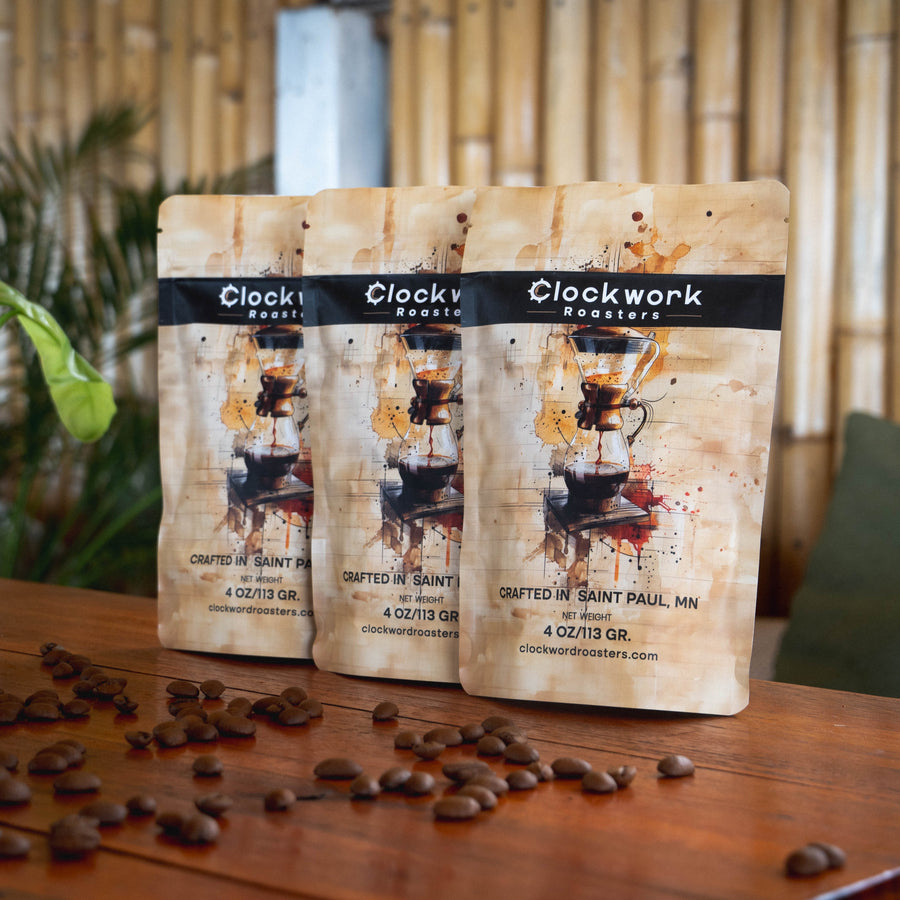
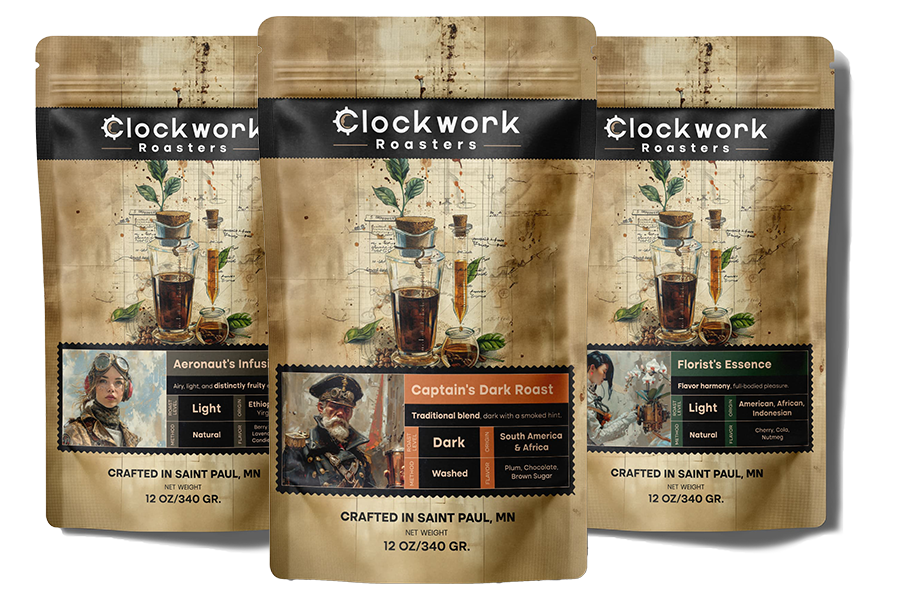
At Clockwork Roasters, each batch is inspected with extraction in mind because roast development and brew performance belong together. Fresh, specialty-grade organic coffee gives you a better starting point, but your daily ritual is where that potential becomes a first-class cup.
How to Diagnose the Cup in Front of You
The fastest way to improve is to change one variable at a time and taste with attention. Let the coffee cool for a minute or two. Many sweetness and aroma notes become easier to identify after the first hot sip.
If the cup is sour, thin, or salty, it is likely underextracted. Grind a little finer, extend contact time, use slightly hotter water, or improve your pouring technique. For most home brewers, a finer grind is the cleanest first move.
If the cup is bitter, dry, or leaves a rough sensation on the finish, it may be overextracted. Grind coarser, shorten the brew, or reduce water temperature slightly. But use judgment: dark roasts and certain cacao-forward coffees will naturally have more bitterness than a light washed coffee from East Africa.
If the coffee tastes both sour and bitter, the issue may be uneven extraction rather than a simple too-much or too-little problem. Look for a muddy grind, poor agitation, channeling in espresso, or a pour-over bed with dry pockets. Better distribution, a gentler and more even pour, and consistent water coverage can make a dramatic difference.
Dialing In by Brew Method
For pour-over, begin with a medium-fine grind, a 1:16 ratio, and a short bloom of about 30 to 45 seconds. The bloom releases trapped carbon dioxide, allowing water to contact the grounds more evenly. Then pour steadily, keeping the coffee bed saturated without flooding it wildly. Aim for repeatability before chasing perfection.
For French press, use a coarser grind and steep for about four minutes. Because the grounds remain in contact with the water, this method produces a fuller body and can make chocolate, nut, and caramel notes feel especially generous. If the final cup is silty or harsh, use a slightly coarser grind and pour gently to leave sediment behind.
For automatic drip, match the grind to your machine's flow rate, usually medium to medium-fine. Do not underestimate the importance of a clean brewer. Coffee oils build up over time and can make fresh coffee taste stale or bitter before extraction even becomes the issue.
For espresso, weigh your dose and yield, then time the shot. Start with the recipe recommended for your coffee, and make small grind adjustments until the shot tastes sweet, structured, and balanced. A scale is not optional if you want reliable espresso. Volume changes with crema; weight tells the truth.
Let the Coffee Lead
A bright light roast does not need to taste like dark chocolate, and a traditional dark roast does not need to imitate a floral pour-over. Extraction is not about forcing every coffee toward one generic idea of balance. It is about giving each roast enough control to express what it was built to do.
Keep your brew notes simple: coffee dose, water weight, grinder setting, time, and one sentence about flavor. After three or four brews, patterns become obvious. The next great cup is rarely the result of more gear. It usually comes from one deliberate adjustment, made with fresh coffee and a little attention.

Leave a comment