



Coffee Beans for Home Espresso That Pull Right

A great espresso shot is not rescued by expensive equipment. It starts with coffee beans for home espresso that are fresh, well-developed, and built to produce sweetness before bitterness. Your machine supplies pressure. Your grinder supplies precision. The beans determine whether the result tastes like caramel, fruit, and chocolate - or like scorched toast and regret.
Espresso is demanding because it concentrates everything. A 36-gram double shot may use only 18 grams of coffee, but it puts every roast decision, every day of aging, and every grind adjustment directly in the cup. That is exactly why choosing the right bag makes your morning ritual easier, more consistent, and much more rewarding.
What coffee beans for home espresso need to do
The best espresso beans do not need to say “espresso” on the label, but they do need to perform under espresso’s fast, pressurized extraction. That means they should offer enough solubility to produce a balanced shot without requiring heroic settings on your grinder or machine.
In practical terms, look for coffee with a clear foundation of sweetness, a satisfying body, and acidity that feels lively rather than sharp. Chocolate, brown sugar, toasted almond, dried fruit, and caramel are reliable espresso notes because they remain present when milk enters the picture. Fruit-forward coffees can make spectacular shots too, but they ask for more care and are often more revealing of small dialing-in errors.
Specialty-grade beans matter here. Better green coffee gives the roaster more flavor to preserve, and careful batch inspection helps keep defects from becoming the loudest flavor in your cup. Certified organic coffee adds another meaningful standard for shoppers who want traceable quality and thoughtful sourcing alongside serious flavor.
Roast level is a starting point, not a verdict
The old rule says dark roast is for espresso. It is not entirely wrong, but it is far from the whole story.
A medium-dark roast is often the easiest place to begin. It tends to deliver a fuller body, lower perceived acidity, and classic notes such as cocoa, caramel, and roasted nuts. These coffees are forgiving when your dose is slightly off or your shot runs a few seconds long. They are also excellent for cappuccinos, lattes, and Americanos.
Medium roasts can be the sweet spot for home baristas who want more origin character without sacrificing comfort. Expect a more layered cup, perhaps chocolate alongside cherry, honey, or citrus. With the right recipe, medium roast espresso can feel both familiar and remarkably clear.
Light roasts are the precision instruments of the espresso world. They can be floral, jammy, sparkling, and deeply complex. They can also be harder to extract on entry-level machines, especially with a grinder that produces a wide range of particle sizes. If you enjoy experimenting, they are worth the effort. If you want dependable weekday shots, begin with a medium or medium-dark profile and work outward.
A dark roast still has a place when it is developed with intention. The goal is depth without ash, and richness without a harsh, dry finish. A traditional dark blend should taste bold and comforting, not like the roast erased the coffee beneath it.
Blend or single origin? Choose for the cup you want
Espresso blends are engineered for balance. A thoughtful blend can pair a coffee that brings syrupy body with another that contributes brightness or aroma. The result is often more stable from shot to shot and more flexible across milk drinks, black espresso, and Americanos.
For many home setups, a blend is the dependable daily driver. It is not a compromise. It is a deliberate design choice, made to make espresso taste complete.
Single-origin coffee gives you a narrower, more distinctive expression of place and processing. You might find blueberry-like sweetness from a natural-process coffee, stone fruit from East Africa, or deep cocoa and spice from Latin America. That specificity can be thrilling, particularly when you drink straight espresso. The trade-off is that a single origin may change more noticeably as it cools, age after roasting, or meet a different water composition.
If your household drinks mostly milk beverages, start with a balanced blend. If your favorite part of espresso is tasting its character unmasked, bring in a single origin once your basic recipe is steady.
Freshness has a window, not a stopwatch
Fresh coffee is essential, but coffee roasted yesterday is not always ready to make its best espresso. During roasting, coffee releases carbon dioxide. In the first few days, that gas can interfere with water flow and create excessive crema that looks impressive but tastes uneven.
For most coffees, espresso begins to settle in around five to 10 days after roasting. Many bags perform beautifully for several weeks after that, depending on roast level, packaging, storage, and your preferred flavor profile. Darker coffee may become approachable sooner; lighter coffee may need additional rest before it extracts evenly.
Buy whole beans whenever possible. Grind immediately before brewing, then store the bag tightly sealed in a cool, dark cabinet. Skip the refrigerator and freezer for the bag you are opening daily. Moisture, odors, and repeated temperature changes are not friends of flavor.
The right purchase size depends on how quickly you drink coffee. A two-pound bag can offer excellent value for a household pulling multiple shots each day. If you make one or two drinks a week or enjoy rotating through profiles, smaller bags protect your ability to finish coffee while it is still tasting its best. A subscription can make the timing easier, but it should match your real pace, not your aspirational coffee habit.
Your grinder decides how much of the bean you taste
Even exceptional beans cannot overcome an inconsistent grinder. Espresso requires a fine, uniform grind because water has only a short time to pull sweetness, aroma, and body from the coffee bed. Too coarse, and the shot races through with sourness, thin texture, and little finish. Too fine, and the machine struggles, producing bitterness, dryness, or a choked shot.
Start with a simple baseline: 18 grams of coffee in, 36 grams of espresso out, in roughly 25 to 32 seconds. This is a useful reference point, not an iron law. Some coffees taste better at a shorter, denser ratio, while a lighter roast may open up with a slightly longer yield.
Adjust one variable at a time. If the shot runs fast and tastes sharp, grind finer. If it runs slow and tastes harsh, grind coarser. Once flow is close, make small changes to dose or yield based on taste. Keep notes for a few days. Precision is not fussy when it gives you repeatable coffee before work.
Read the cup, not just the crema
Crema is attractive, but it is not a quality score. Fresh coffee can produce a thick cap while still tasting underextracted or overly bitter. Let flavor lead the diagnosis.
A sour, salty, thin shot usually needs more extraction. Try a finer grind, a slightly longer yield, or a modestly higher brew temperature if your machine allows it. A bitter, astringent, hollow shot usually needs less extraction. Grind a touch coarser or stop the shot earlier.
When a shot is almost right but lacks sweetness, do not immediately blame the beans. Check whether your basket is evenly filled, your puck is level, and your tamper is consistent. Channeling lets water find weak paths through the puck, leaving some grounds underextracted and others overextracted in the same cup.
Build a home espresso rotation with purpose
There is value in having a dependable favorite and an exploratory bag beside it. Keep a balanced espresso blend for mornings when you want a reliable, chocolate-forward shot. Then add a lighter natural coffee or a seasonal single origin when you want to taste something unexpected.
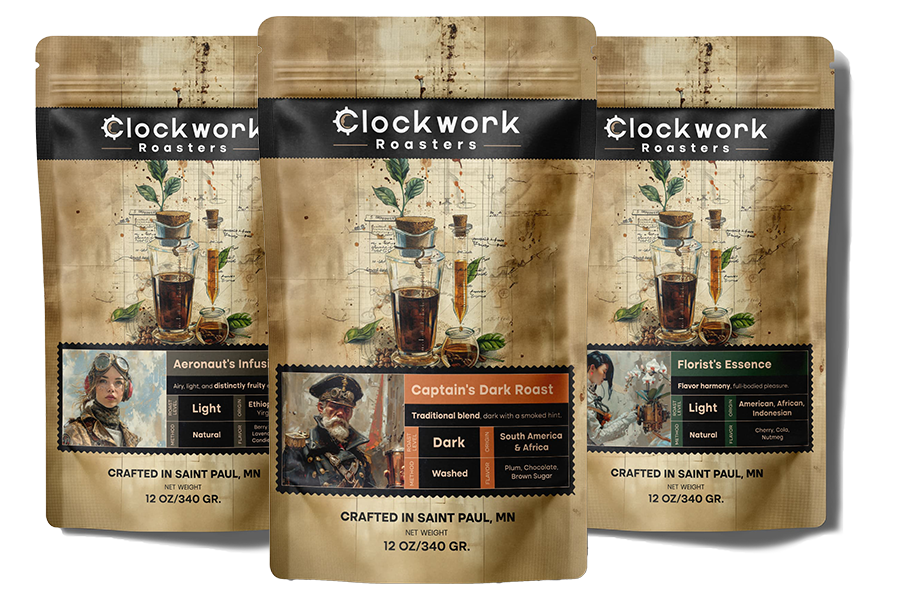
Clockwork Roasters approaches that choice with the same standard used in the roastery: if it is not perfect, it does not ship. That matters when you are buying online, where freshness and roast discipline need to be felt in the cup, not merely promised on a product page.
The best bag is the one that makes you want to pull another careful shot tomorrow. Start with coffee that matches your equipment and your preferred drink, give it a few days to rest, and make one measured adjustment at a time. Soon, your home espresso will stop feeling like a gamble and start feeling like a well-tuned ritual.
Leave a comment